
October is just round the corner and with it comes Día de Muertos
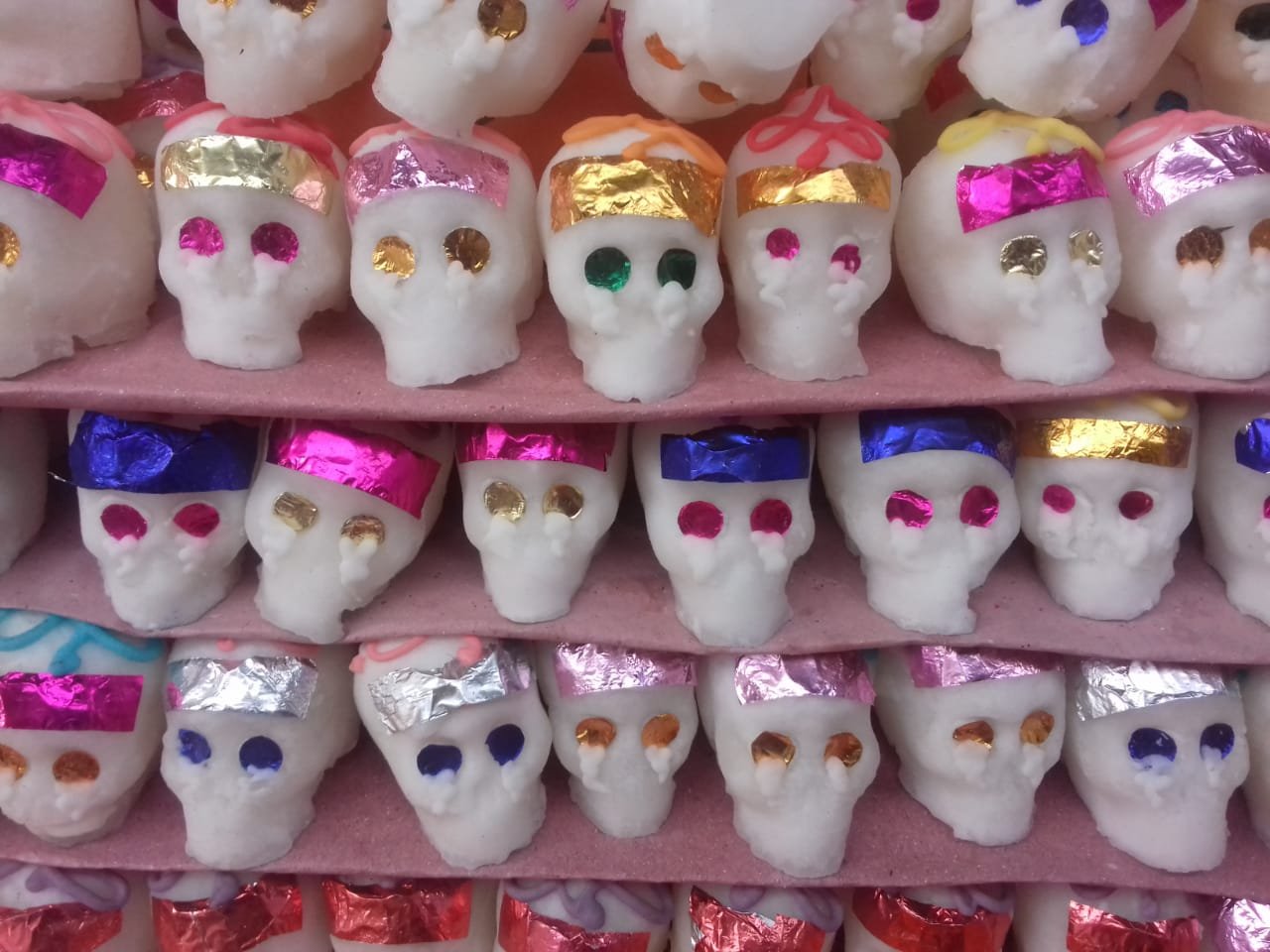
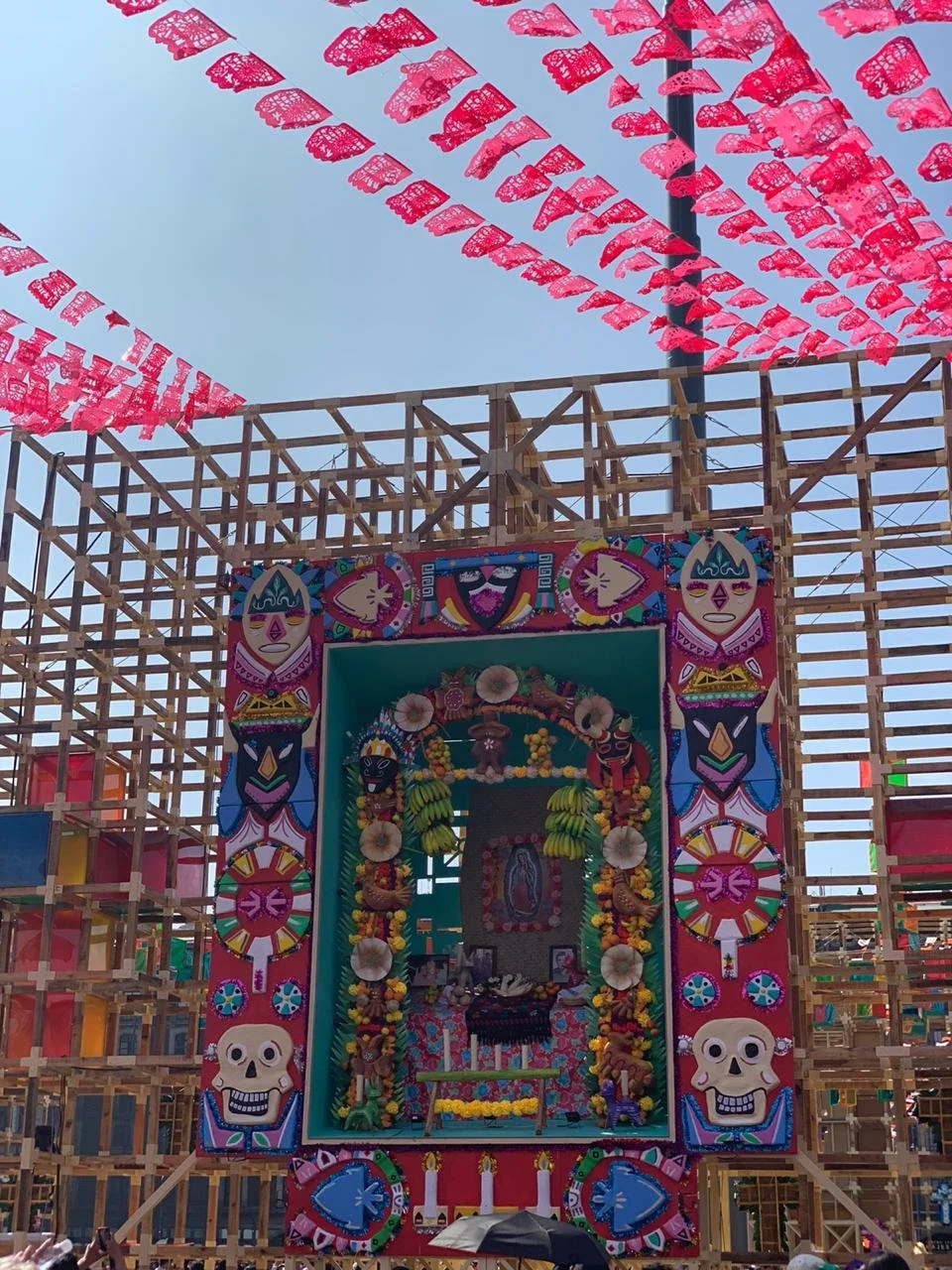
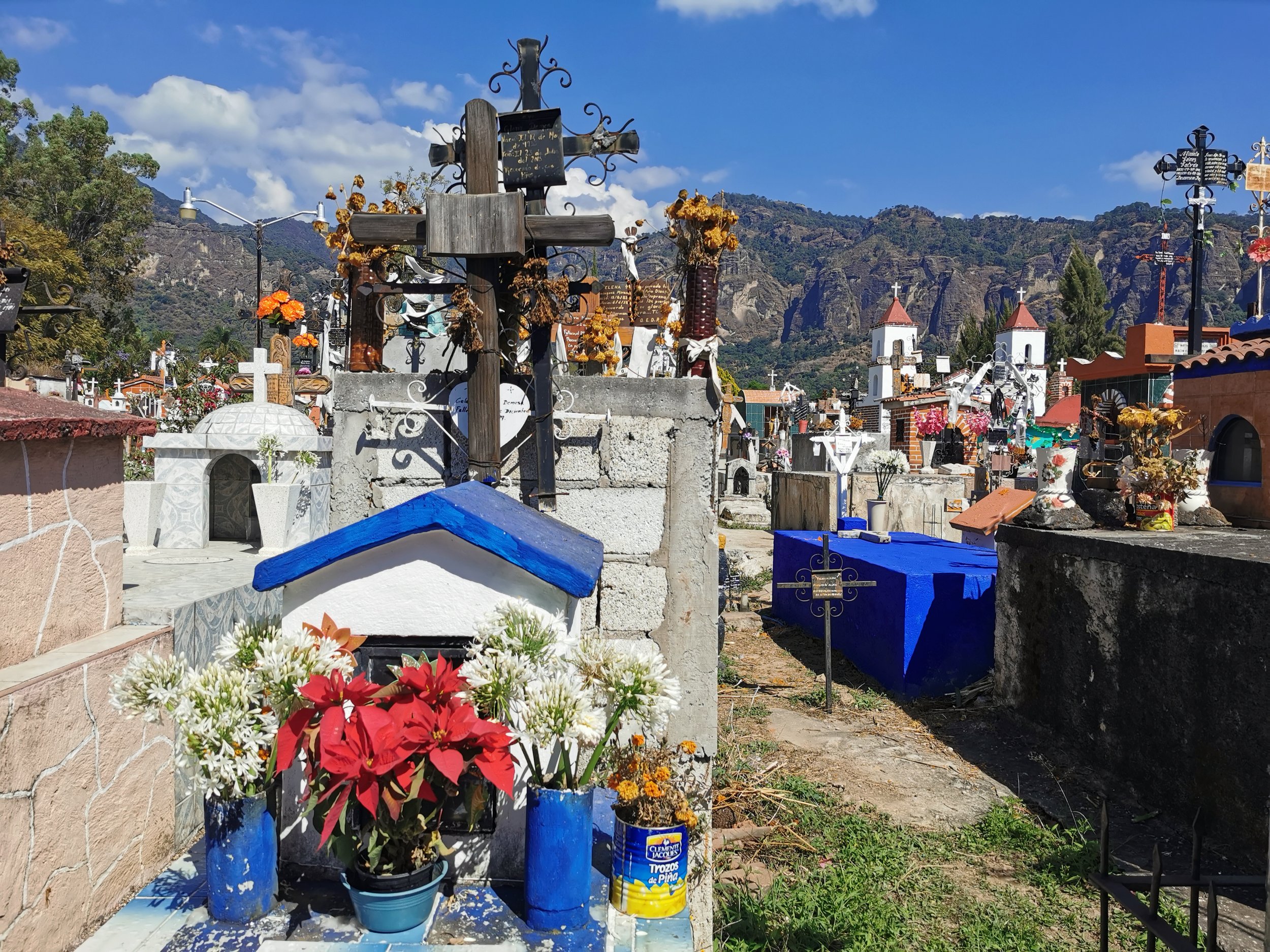
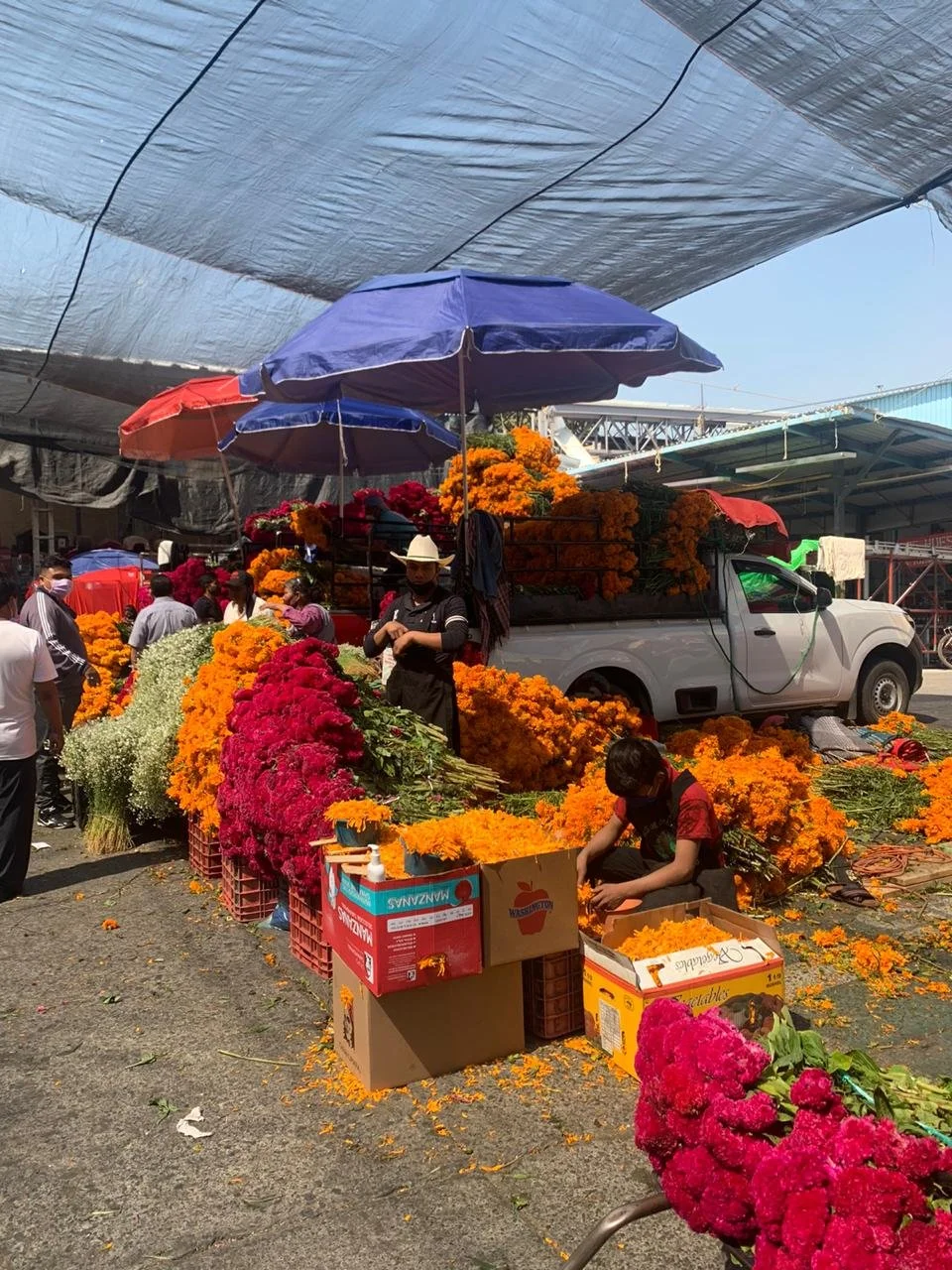
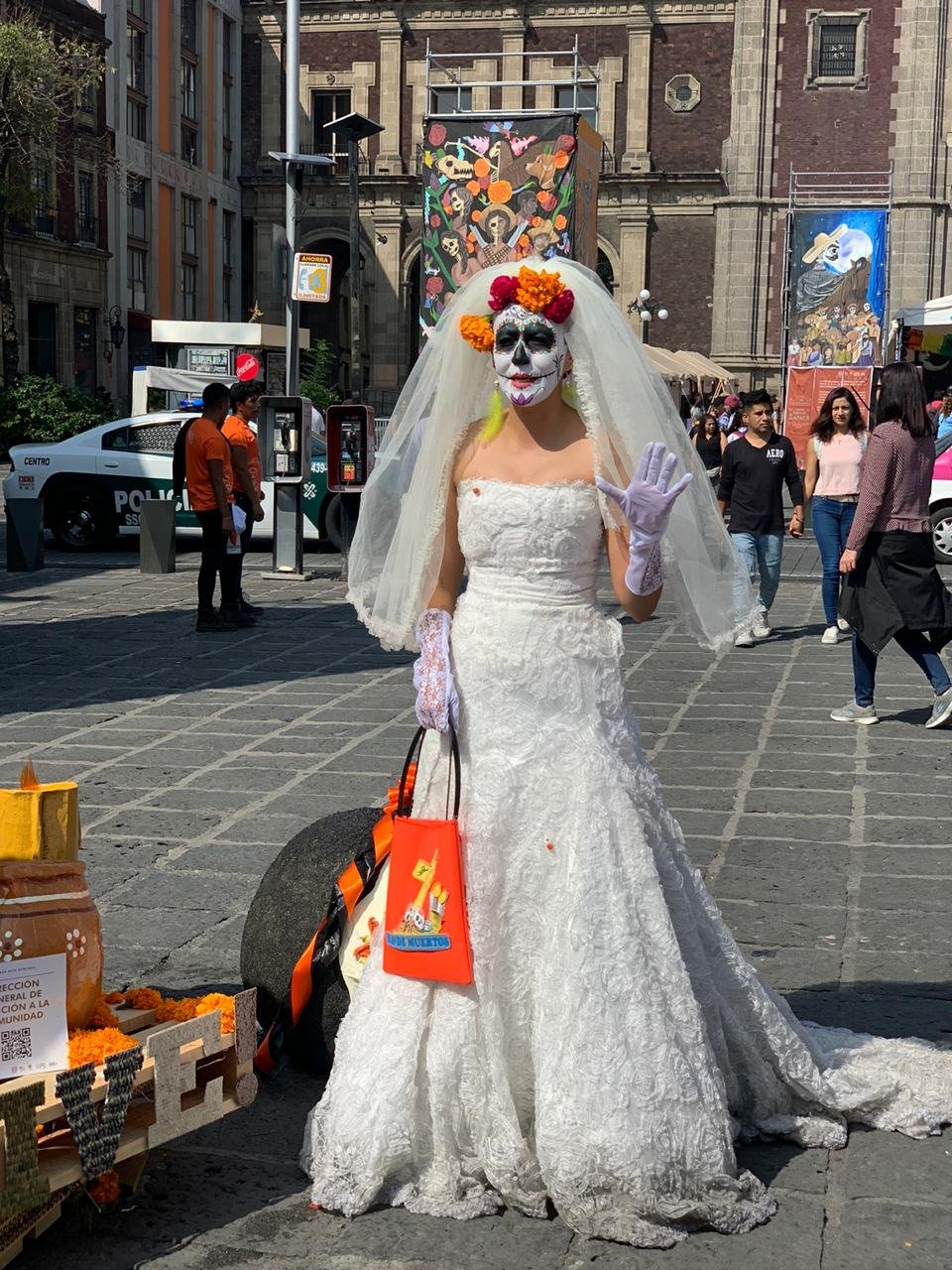
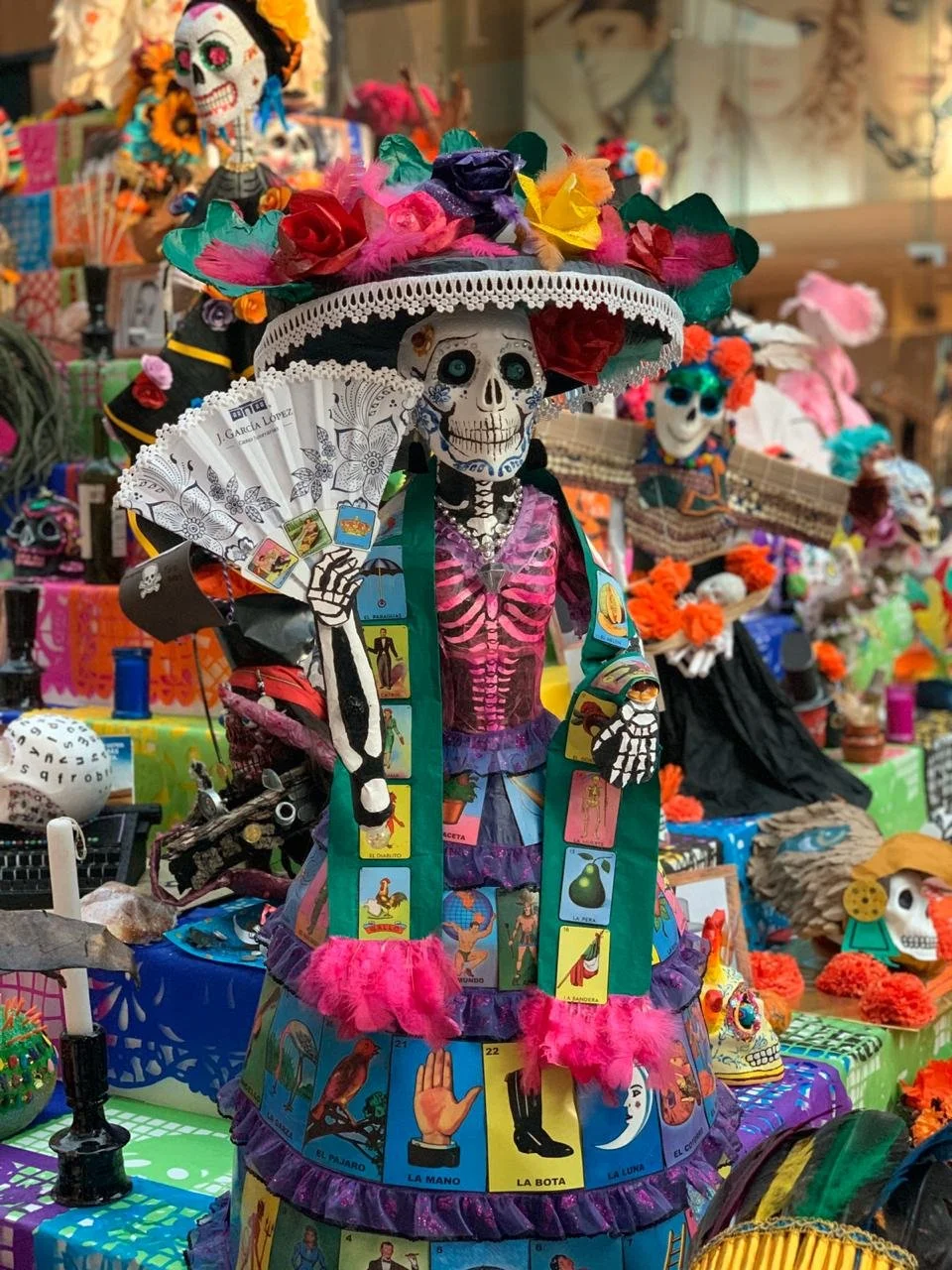
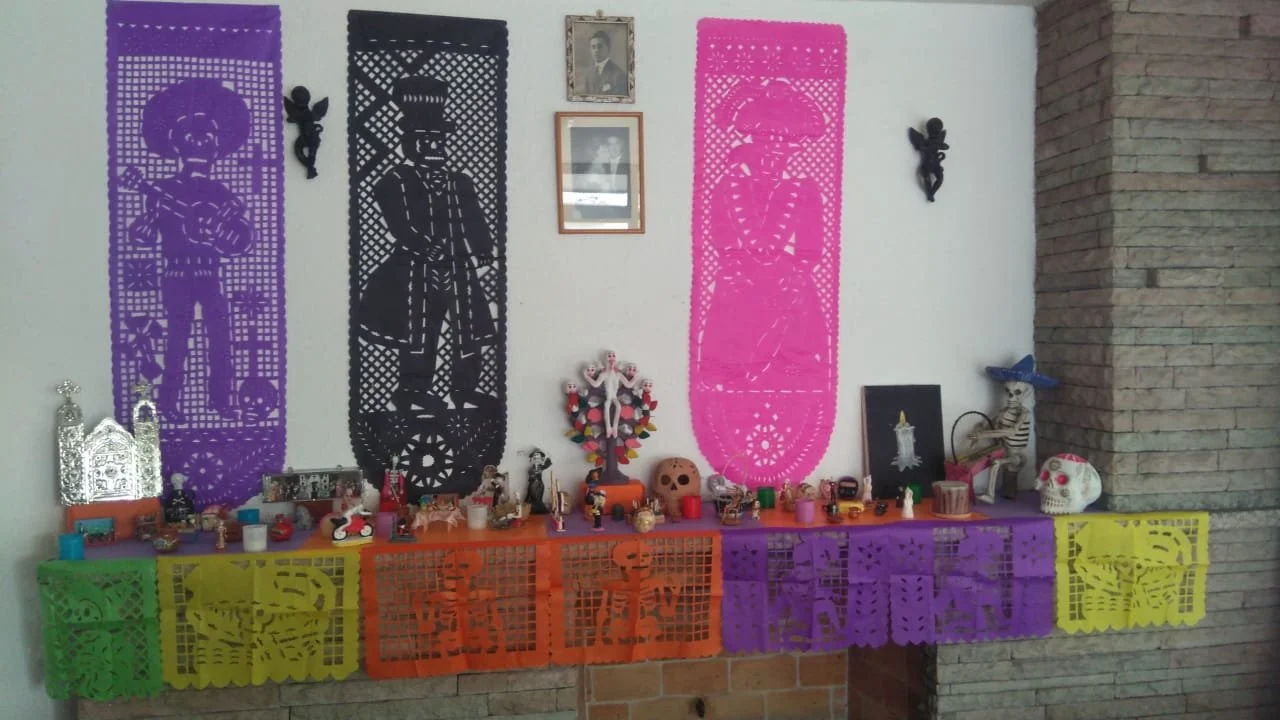
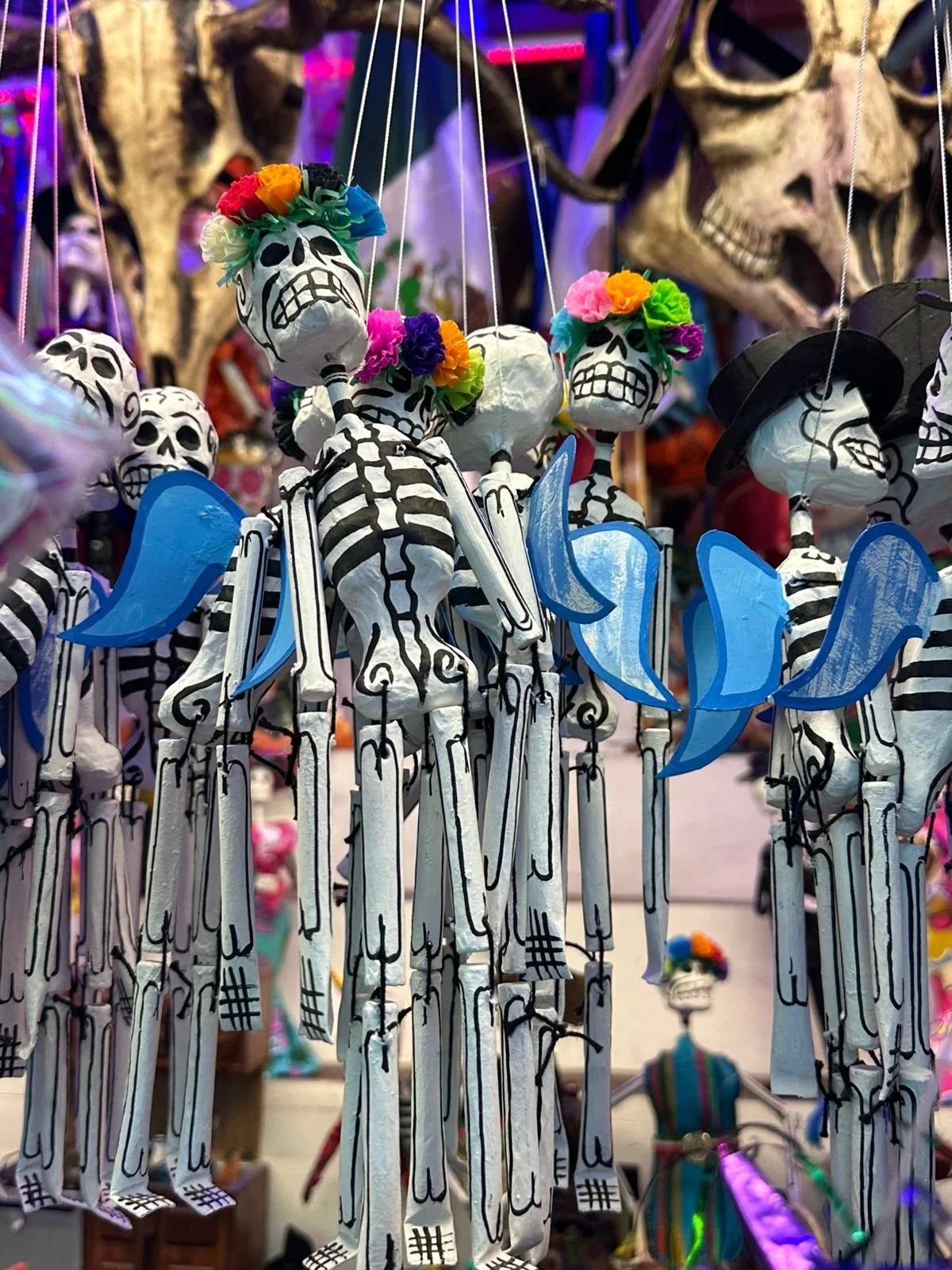
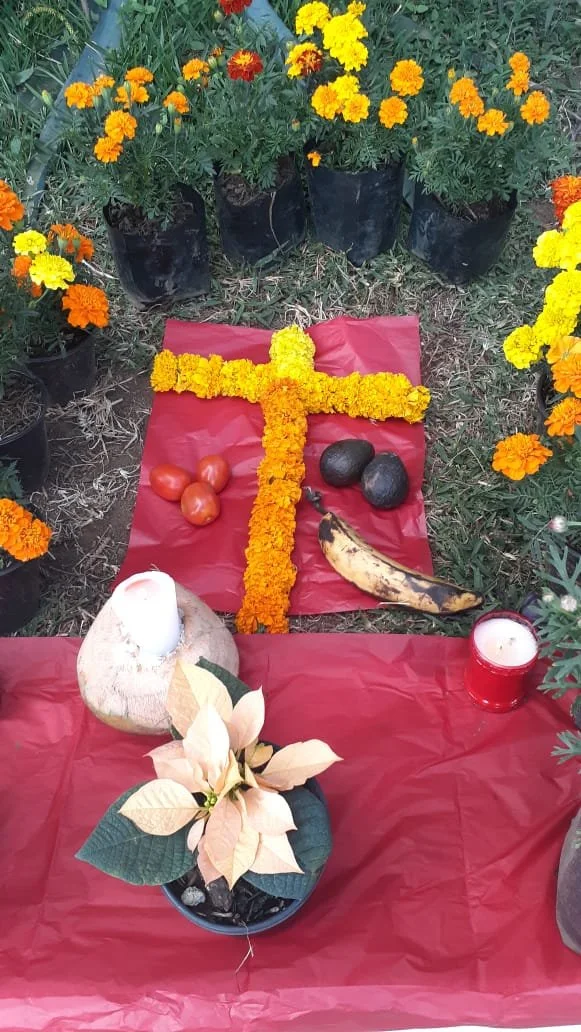
Día de Muertos is one of our favourite celebrations. Mexico fills with colour, sugar skulls, pan de muerto and the scent of marigolds. But what we love most is that it brings the family together to build the ofrenda for the people who've passed but are still close to our hearts.
We want to share with people here in the UK what Day of the Dead looks like for us, and what the tradition is about.
All the photos in this post were taken by our dad. He's not with us anymore, but going through his pictures, you can feel how much he loved this time of year. This year, he'll be on our ofrenda.We miss him.
What is Día de Muertos?
Día de Muertos (Day of the Dead), is a Mexican tradition celebrated on 1st and 2nd November. It's a time to remember the people we love who have died, and to welcome them back for a visit.
It isn't sad, and it isn't scary. It's a reunion and a celebration of their life. It’s our way of remembering them.
When is Day of the Dead? The different days
The main days are 1st and 2nd November. 1st November is All Saints Day, when children who have died are honoured, and 2nd November, the Day of the Faithful Departed, is for adults.
Over the years the celebration has stretched into late October, with each day set aside for different souls. On the 28th of October people remember those who died in accidents or suddenly, on the 29th those who drowned, on the 30th the forgotten souls with no family and on the 31st children who died before being baptised. The souls come back a little at a time, until everyone is home.
Let’s not forget pets! We welcome them on the 27th of October. It’s not an official traditional date but many Mexican families have adopted it to remember their animal companions. Dogs, cats, any pet that was part of the family gets its photo in the ofrenda, a candle, water and its favourite food or toy.
Is Day of the Dead the same as Halloween?
No, at least not the Halloween most people picture, with trick or treating, pumpkins and fancy dress. That version mostly comes from the US.
But here in Scotland, Halloween means more. It grew out of Samhain, the old Celtic festival marking the end of the harvest and the start of winter. It was a time when the line between the living and the dead was believed to be at its thinnest. Children went guising, dressed up, carrying lanterns carved from turnips.
Día de Muertos comes from a different place. It blends Indigenous Mexican traditions with the Catholic All Saints and All Souls Days on 1st and 2nd November. But the heart of it feels familiar: the dead are close, and for one night we welcome them back.
Where they differ is the mood - Día de Muertos is a family reunion. Our sugar skulls (calaveras de azúcar) are a reminder that death is part of life, and that the people who've passed are still part of ours. It’s a celebration of their legacy.
What is an ofrenda?
The ofrenda is the altar at the heart of Día de Muertos. Every family builds their own.
At home, the decorations come out of the cupboard, and over one evening it all goes up: the photos, the flowers, the candles, and all the little crafts the family has collected over the years, some handed down through generations. Closer to the day, you cook their favourite meals, place them on the ofrenda, then sit down to eat together and raise a glass to them.
We always loved going to our grandparents house to help them put theirs up.
Ofrendas deserve their own blog post so we’ll do one later on!
Marigolds and the cemetery
The flower of Día de Muertos is the cempasúchil, the Mexican marigold. Its bright orange colour and strong scent are said to guide the souls home. Families scatter the petals in a path from the door to the ofrenda so no one gets lost on the way.
The celebration goes to the cemetery too. Families clean and decorate the graves of their loved ones with marigolds and candles, bring food and music, and spend time together there. In some towns people stay through the night, and the whole cemetery glows orange and gold.
Some towns are famous for their cemetery celebrations. We'll tell you about our favourites in another post.
La Catrina and skulls in everyday life
In Mexico, skulls aren't something you only see in October. They're part of everyday life, in art, crafts, toys, they’re everywhere! Death is something we live alongside.
The most famous skull of all is La Catrina, the elegant skeleton lady in a big feathered hat. She was first drawn by the printmaker José Guadalupe Posada in the early 1900s, making fun of Mexicans who tried to look European and rich. The Catrina’s message was simple: in the end, we're all bones. Diego Rivera later gave her the name Catrina and painted her into one of his most famous murals. Today she's everywhere at Día de Muertos, in figures, paintings and people dressed as her in the parades.
Day of the Dead at school in Mexico
At school it was just as big. We drew skulls, set up the school ofrenda, and every year a few kids stole the pan de muerto off it and ate it at lunchtime.
We also wrote calaveritas: short, funny rhyming poems about someone who's still alive, imagining Death has come to take them.
What is pan de muerto?
Pan de muerto, or "bread of the dead," is a soft, sweet bread baked for Día de Muertos. It's decorated with dough shaped like bones and dusted with sugar. It goes on the ofrenda for the people you're remembering, and it's also eaten by everyone else. Sometimes a little early!
Why Day of the Dead matters beyond Mexico
These days you see Día de Muertos everywhere, from sugar skulls on mugs to marigolds in shop windows. It makes us proud that people all over the world recognise it. But there's so much more behind the colours. We'd love you to know it the way we do, and to celebrate it with the meaning and respect it deserves.
Con cariño,
Constanza & Carla
Rooted in Mexico